WIRELESS CHARGING IN THE NEWS
WIRELESSPT has over a decade of experience in industrial-level magnetic coupling resonant wireless charging. Its product power covers 10W to 30kW, and it has mature technical bases in terms of offset tolerance, sealing protection, and intelligent management. The charging needs of humanoid robots are different from those of industrial equipment - battery capacity is relatively small, charging postures are diverse, and the receiving end space is limited. WIRELESSPT can provide evaluation of wireless charging solutions for humanoid robot manufacturers with demands, adapting to specific models' battery parameters, structural space, and operation scenarios.
WIRELESSPT, as an industrial-grade wireless charging solution provider, has product power coverage from 10W to 30kW, and has mature technical accumulation in waterproof sealing, magnetic coupling resonance, etc. The underwater wireless charging solution for this scenario essentially extends the "non-contact, maintenance-free, and high protection" logic of industrial wireless charging to the underwater environment. The specific adaptation needs to be evaluated based on equipment power, water depth, communication requirements, etc.

The current competition in industrial AGV vehicles is not only about vehicle bodies and navigation performance, but the energy charging system directly determines the actual benefits of the automation project. The WIRELESSPT energy AGV vehicle is equipped with wireless charging technology. It adheres to industrial-grade hardware standards and can be applied to both new projects and the renovation of existing equipment. It covers various working conditions such as ordinary warehousing, explosion-proof chemical industries, and low-temperature cold storage. This helps manufacturing enterprises achieve an unmanned energy closed-loop for logistics transfer.
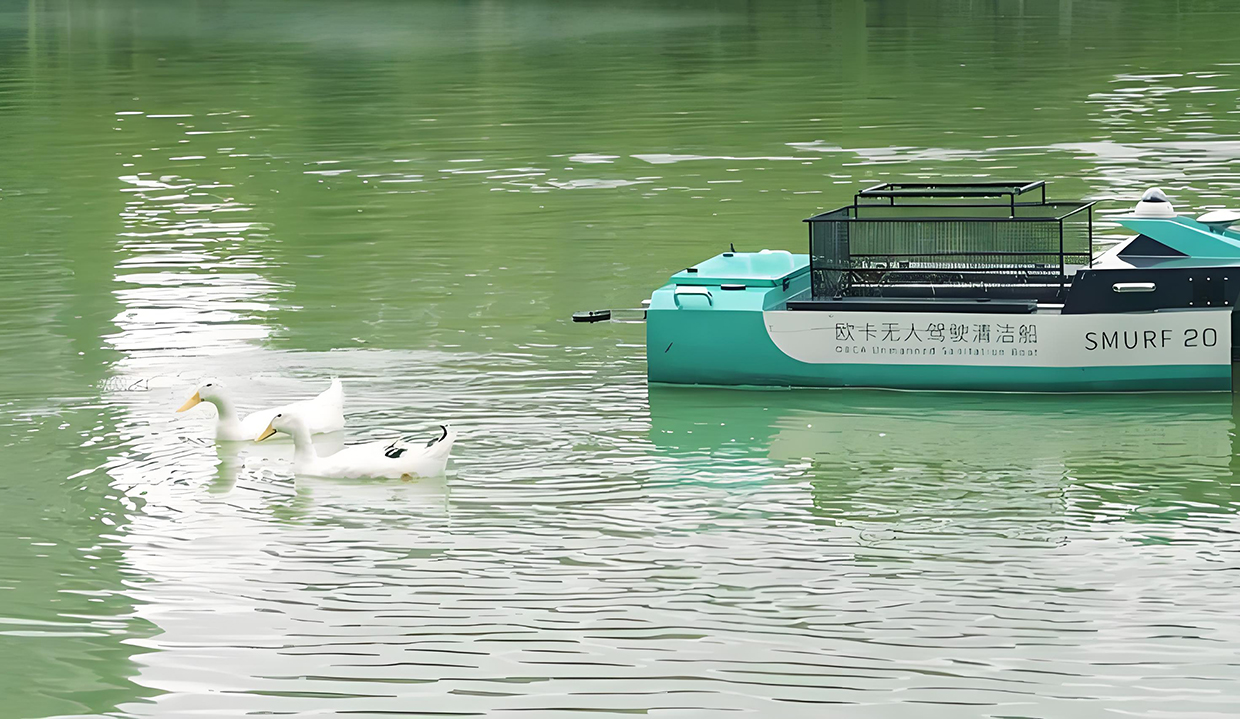
At present, the acceleration of water area intelligent construction is speeding up, unmanned vessels are moving from demonstration prototypes to regular business operations, and autonomous charging is a necessary infrastructure for achieving full-process unmanned operation. The WIRELESSPT energy unmanned vessel is equipped with wireless charging technology. By transplanting the industrial magnetic resonance wireless charging technology to the harsh water environment, it overcomes the inherent shortcomings of traditional connectors and provides a safe, maintenance-free, and fully automatic energy supply solution for unmanned equipment such as river and lake monitoring, water surface cleaning, offshore security, and water rescue.
In the future, WIRELESSPT will continuously iterate on the dedicated wireless charging solution for thin and large-offset humanoid robots, expand to higher power versions, and help embodied intelligent equipment break free from the constraints of manual charging, truly achieving unmanned operation and continuous operation around the clock.
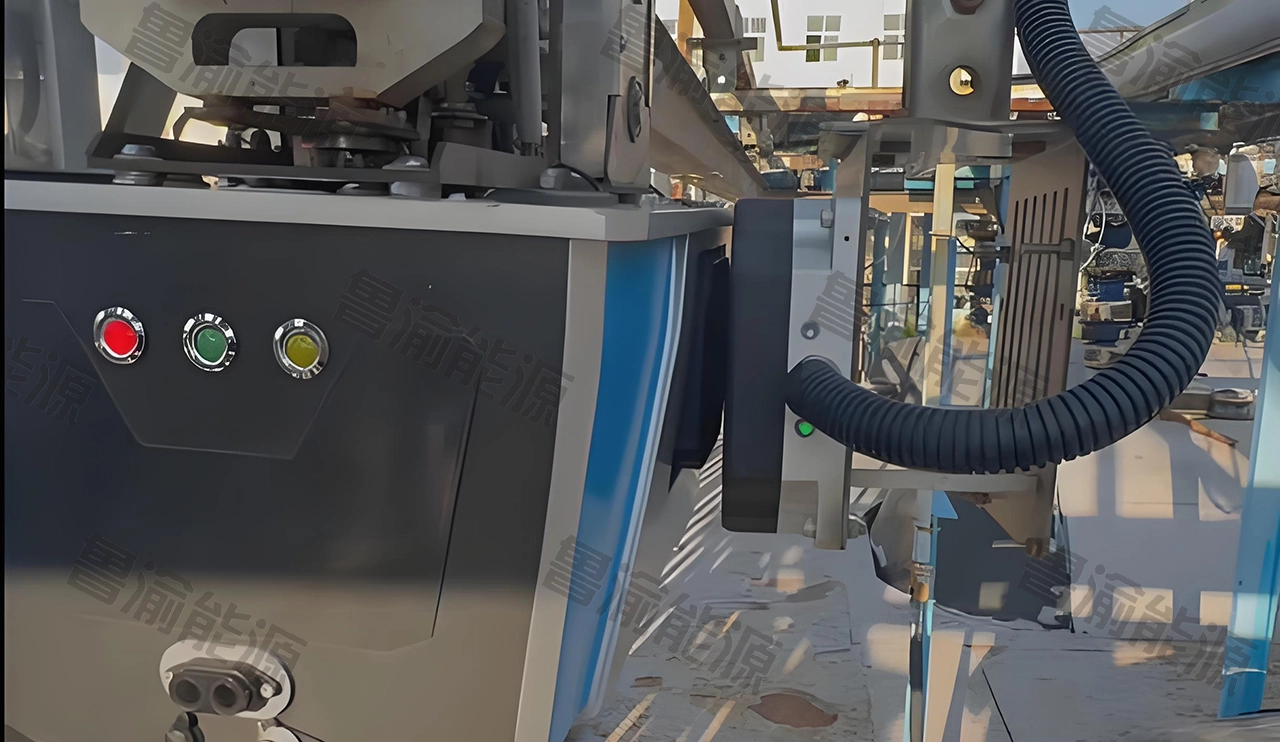
With the upgrading of intelligent manufacturing, RGV equipment is rapidly evolving towards a trend of fewer personnel and black-light production lines. The shortcomings of outdated power supply methods relying on physical contact, such as sliding contact lines and traction cables, have become increasingly prominent. The WIRELESSPT RGV wireless charging solution takes into account both new projects and the renovation of existing equipment, covering power supply from light-load sorting RGVs to tonnage heavy-load track carts, providing a safe and maintenance-free non-contact power supply solution for tracked mobile equipment, helping enterprises achieve 24/7 unmanned continuous transportation of RGVs.
When humanoid robots move from "showcasing skills" to "performing tasks", charging is no longer an option but a key infrastructure that determines whether the robot can truly become a productive tool. WIRELESSPT's wireless charging technology accumulation is providing practical technical support for the energy replenishment needs of this emerging industry.
As explosion-proof robots move from "demo" to "large-scale deployment", charging is no longer just "as long as it can be charged", but a bottom line that determines whether the entire system can operate safely in dangerous environments. The explosion-proof wireless charging solution of WIRELESSPT is pushing the charging in high-risk scenarios from "passive defense" to "essential safety".
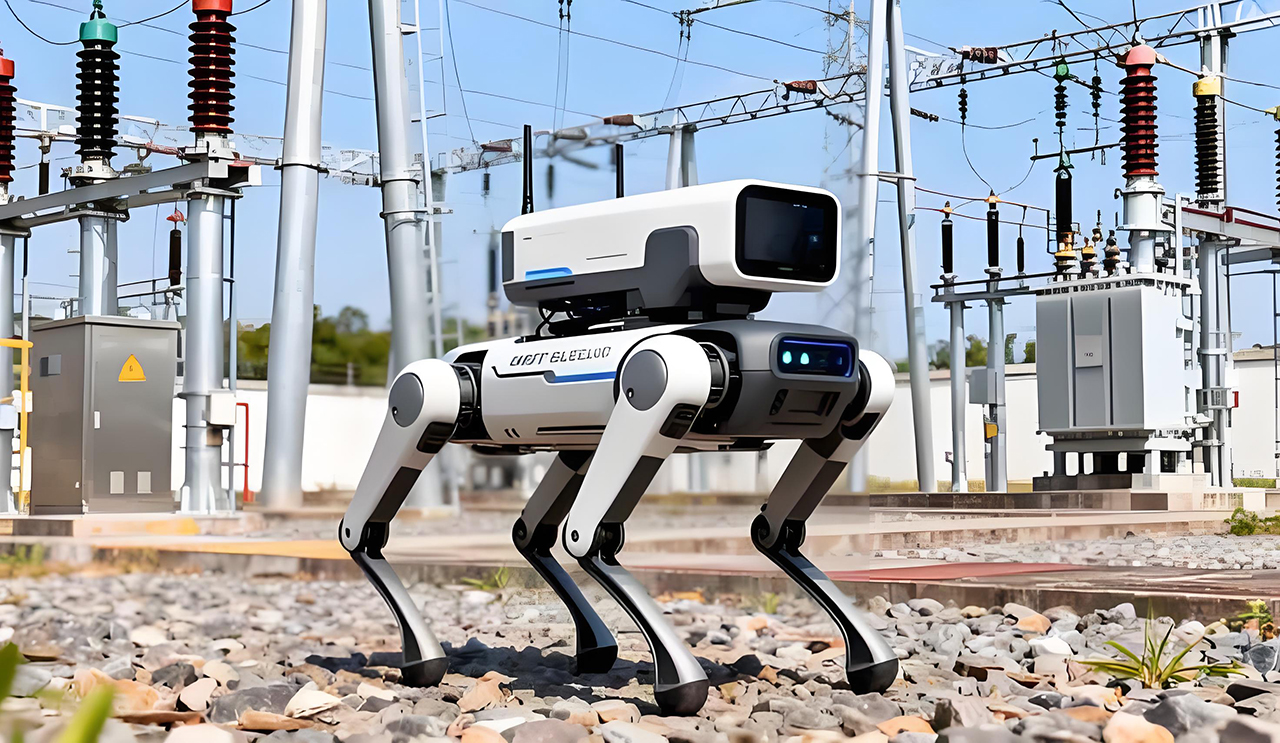
When quadruped robots move from "showcasing skills" to "performing tasks", charging is no longer an embellishment but a key infrastructure that determines whether the robot dog can truly become a productive tool. The WIRELESSPT wireless charging solution is laying an invisible "energy network" for this rapidly emerging industry.
In 2026, intelligent manufacturing and smart warehousing will accelerate their popularity. The 24-hour unmanned transfer of AGV forklift clusters will become the core strategy for enterprises to reduce costs and increase efficiency. WIRELESSPT's high-power AGV forklift wireless charging technology, with high fault tolerance, long lifespan, and full compatibility, completely solves the three major pain points of traditional contact charging - efficiency, cost, and safety. It provides a long-term and stable automatic charging solution for handling robots in the logistics and manufacturing industries.
Currently, the intelligent transformation of semiconductor and pharmaceutical clean factories is accelerating, and the large-scale implementation of dust-free transfer robots has become a standard. WIRELESSPT's dust-free industrial wireless charging, with its core advantages of no dust, low interference, and maintenance-free, solves the core charging problem in the clean workshop, taking into account production yield and 24-hour unmanned operation, and has become a necessary energy solution for the automation upgrade of the clean production line.
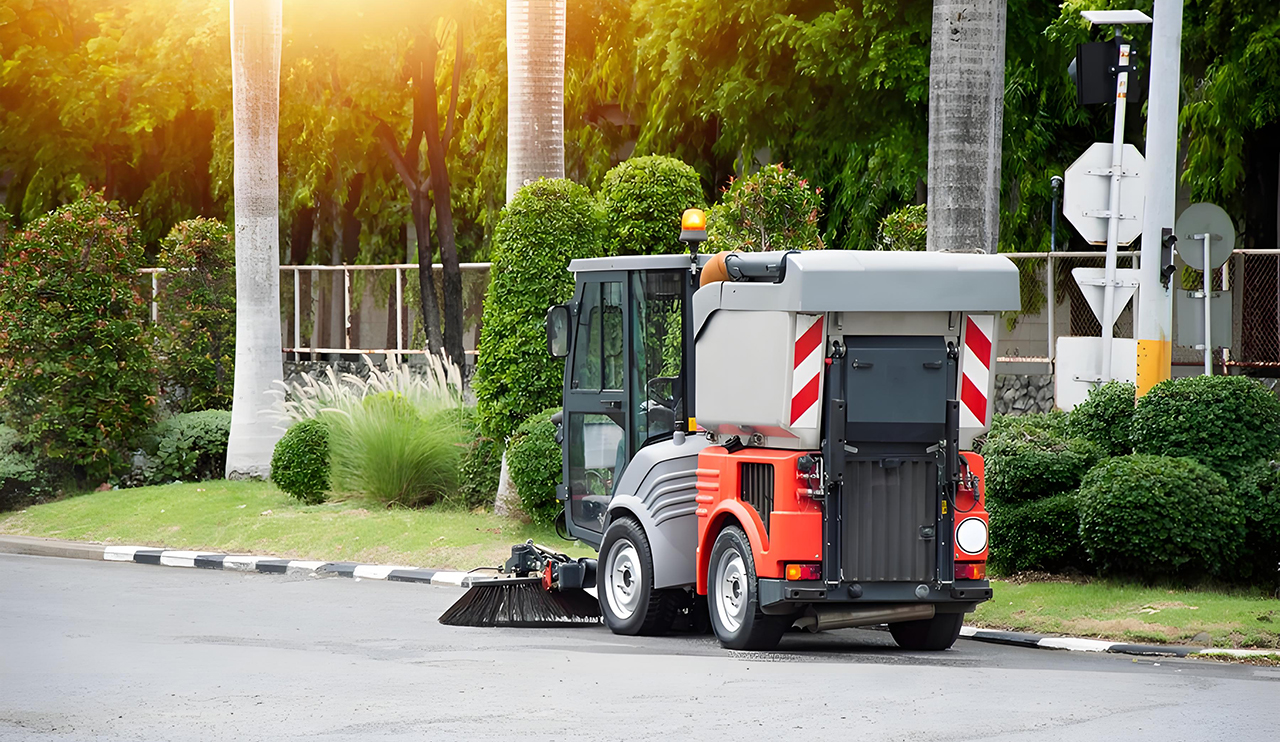
In the future, WIRELESSPT will continue to improve the full-scenario energy solution for low-speed unmanned vehicles, helping parks, municipal services, and industrial and mining sectors achieve truly 7×24-hour zero-human operation for various low-speed unmanned vehicles, and promoting the commercialization and large-scale implementation of low-speed unmanned driving.