From park logistics distribution, airport luggage transfer to port container transportation and mineral transportation in mining areas, low-speed unmanned vehicles (LSUVs) are playing an increasingly important role. However, behind its large-scale and commercial application, there has always been a specter haunting - energy supply. Relying on manual charging is costly and difficult to achieve 24-hour operation. The construction of battery swap stations requires a huge initial investment and is complex to operate and maintain.
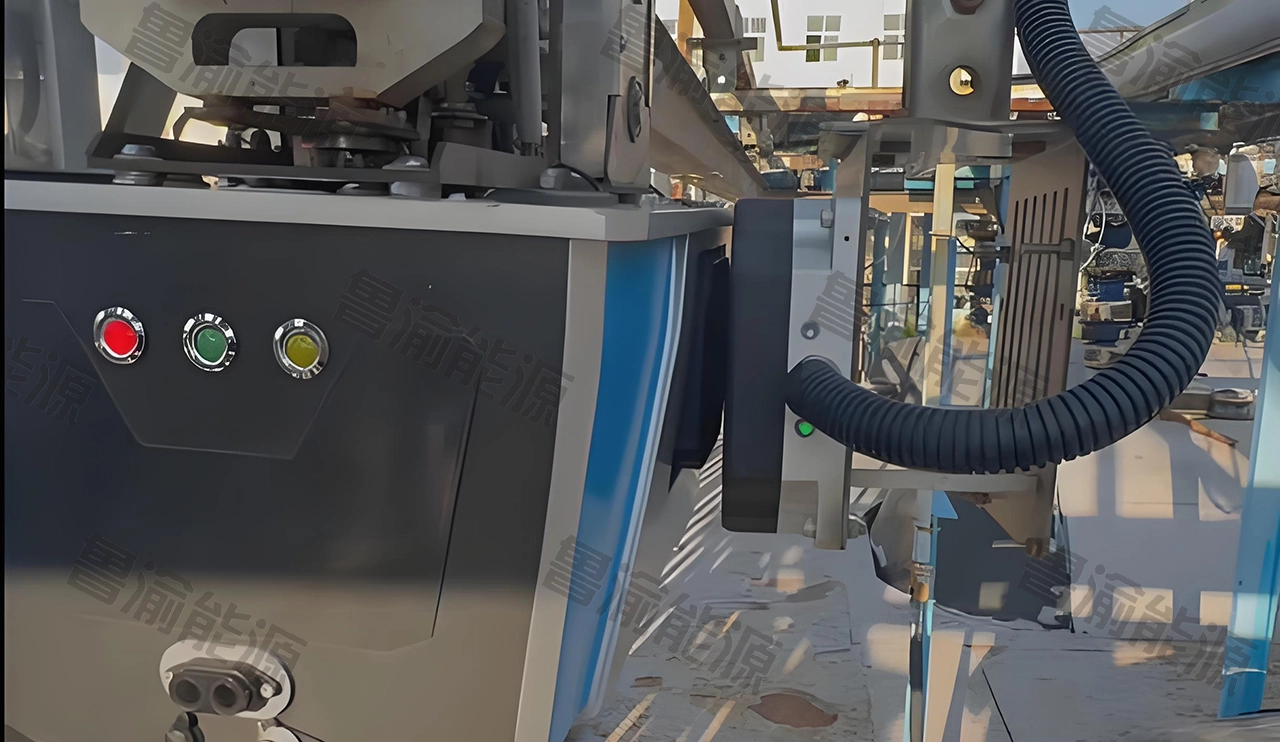
WIRELESSPT, as an industrial-grade wireless charging supplier covering the full power range from 10W to 30kW, has brought a revolutionary unmanned wireless charging system to the field of low-speed unmanned vehicles. Our goal is to enable the unmanned vehicle fleet to achieve "self-management" of energy replenishment and ultimately realize unmanned operation throughout the entire region and at all times.
At the airport, luggage tractors can automatically provide wireless charging in designated areas during the intervals while waiting for loading and unloading. In the logistics park, unmanned delivery vehicles do not need to return to the center and can complete energy "fast charging" at the delivery station. In a closed mining area, unmanned mining trucks can seize the opportunity to restore their power while waiting in line at loading and unloading points.
Our technological advantages lie in:
High power and high efficiency: In response to the characteristics of low-speed unmanned vehicles, such as high power consumption and high operational intensity, we offer a high-power wireless charging solution with a maximum power of 30kW. The charging efficiency is comparable to that of wired charging, ensuring that operational efficiency is not affected.
Extremely strong environmental adaptability: The system has an excellent tolerance for alignment. Even if there is a certain deviation when the vehicle is parked, it can still charge stably and efficiently. Meanwhile, the product design can withstand harsh outdoor environments such as rain, snow, sand and mud, and extreme temperatures, ensuring stable operation in scenarios like cold storage, open-air ports, and mines.
Lower full life cycle cost: Although the initial investment is comparable to that of high-quality wired charging piles, wireless charging eliminates the costs of manual plugging and unplugging and interface maintenance, and improves the overall operational efficiency of the fleet due to a higher degree of automation. In the long run, its total cost of ownership (TCO) is more advantageous.
WIRELESSPT is collaborating with numerous unmanned vehicle manufacturers and operators to provide safe, reliable and efficient "contactless" energy sources for a wide range of low-speed unmanned devices such as lawn mowers, swimming pool cleaning robots, photovoltaic cleaning robots and golf carts, jointly promoting the low-speed unmanned driving industry towards true commercialization and scale.


 EN
EN


 +86 18678901310







 Explosion-proof Wireless Charging