WIRELESS CHARGING IN THE NEWS
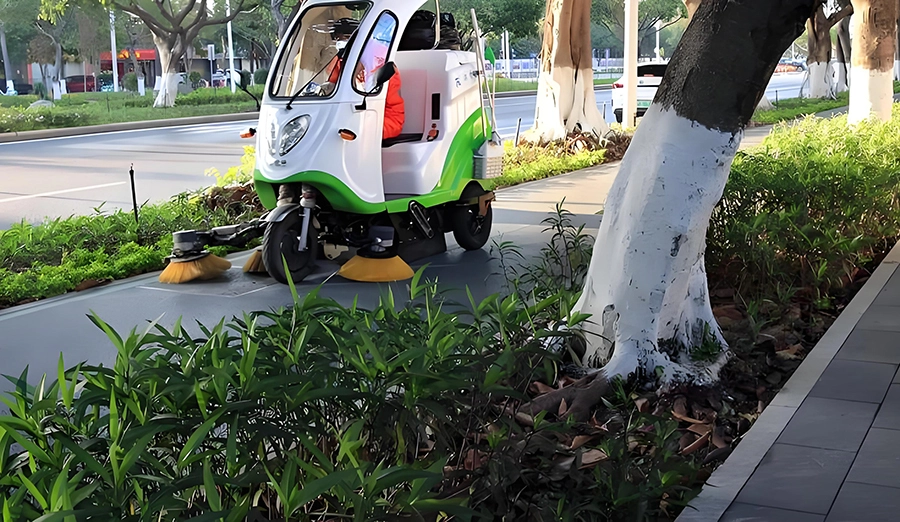
The quiet hum of Chinese-made robotic mowers in European gardens signals their growing global popularity. Tightening environmental regulations and rising labor costs have positioned smart navigation-enabled Chinese products as preferred solutions. Pioneers like Greenworks employ advanced positioning systems enabling autonomous pathfinding in complex landscapes, with obstacle avoidance capabilities earning wide acclaim.
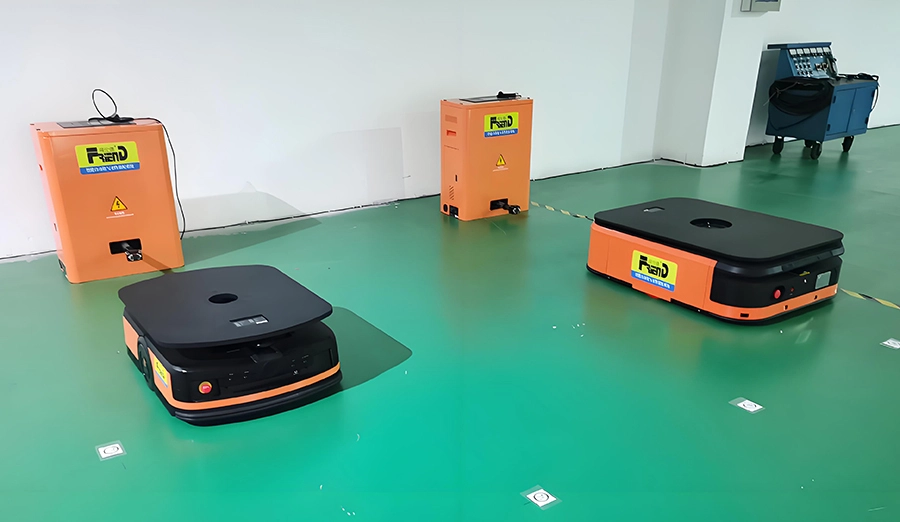
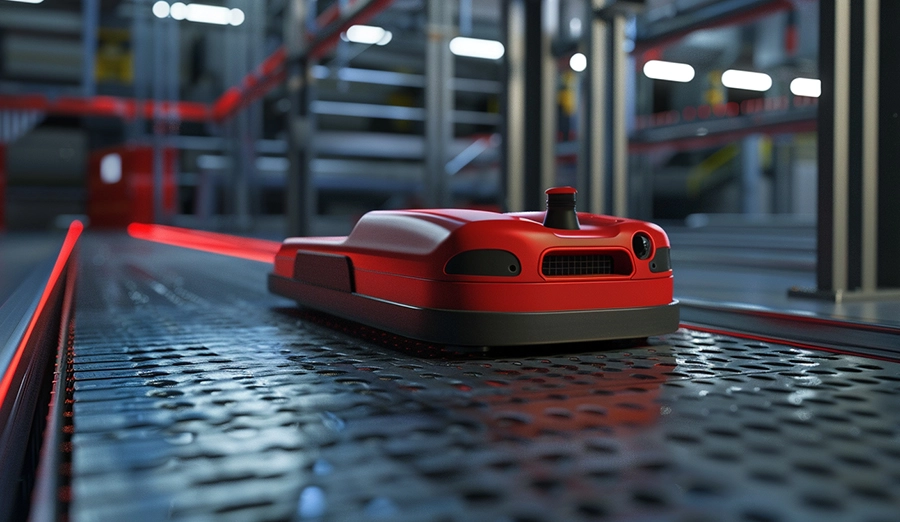
At the neural endpoints of a smart factory, every autonomous mobile robot (AMR) acts as a cell powering the production pulse. As these cells require "energy replenishment," wireless charging systems are quietly transforming from mere power suppliers into the central decisionmaking hub of factory energy – they don't just charge; they conduct a symphony of data.
Wireless charging enables humanoid robots to replenish energy seamlessly during service breaks, eliminating the sense of interruption and mechanical movements. 24/7 natural services are provided in scenarios such as hotels and exhibition halls, enhancing professionalism and user trust, and creating differentiated competitiveness for operators and robot companies.
Wireless charging invisibly embedded in counters, millwork, or carpets eliminates cord clutter and tripping hazards. It elevates aesthetics and safety in premium spaces, enabling elegant, seamless power replenishment for humanoid robots while preserving design integrity.
Wireless charging isn’t just power transfer—it’s the keystone of autonomous manufacturing. By liberating humans from manual tasks, we redirect talent to highvalue innovation. When we bid farewell to plugs, factory lights stay off not to save energy, but because machines have learned to power themselves.
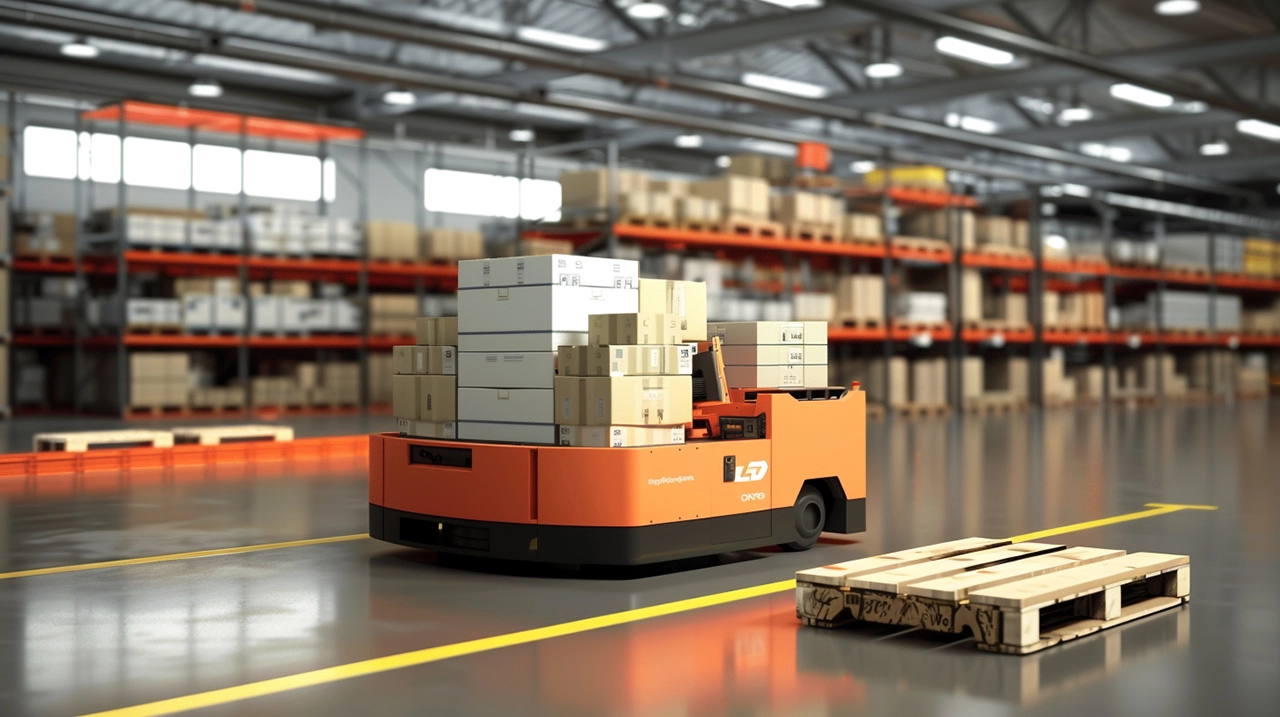
When an AGV pauses for 3 minutes to charge, entire production rhythms falter. Manual charging ops consume 30+ nightly manhours, eroding sixfigure annual output. In the race against time, charging efficiency is the invisible lifeline of automation.
Sparks from AGV charging near electroplating tanks could trigger disasters; frozen charging plugs in cold storage cost $7,000 monthly in repairs. Where dust conducts electricity, oil sludge chokes circuits, and humidity corrodes terminals, sealed wireless charging stands as the last line of defense.
The intelligence of AGV/AMR is not only reflected in navigation and decision-making, but also in the autonomy of its energy management. Non-contact charging technology is the cornerstone of this autonomy.
In the pursuit of complete unmanned operation and continuous operation in smart factories, the "energy anxiety" of AGVs/AMRs (Automated Guided Vehicles/Autonomous Mobile robots) is a key barrier hindering the leap in efficiency.
Deep in the intelligent logistics factory, as soon as an AGV with a heavy responsibility completed the material transportation at a key workstation, the battery warning signal quietly lit up.
With the booming spread of humanoid robot research and development, a battery technology battle concerning endurance has already begun. At present, the mainstream bipedal humanoid robots on the market can generally only work continuously for 2 to 6 hours.
According to recent news disclosures, Apple's upcoming new MagSafe wireless chargers (models A3503 and A3502) have been certified. Their biggest highlight lies in their full support for the latest Qi 2.2 wireless charging standard.